Detoxification, commonly referred to as detox, is the process of cleansing toxins from the body. The liver, kidneys, lungs, skin, and digestive system naturally work together to eliminate and purge harmful substances and maintain a healthy balance. Detox methods aim to support these organs in optimizing their function through purification.
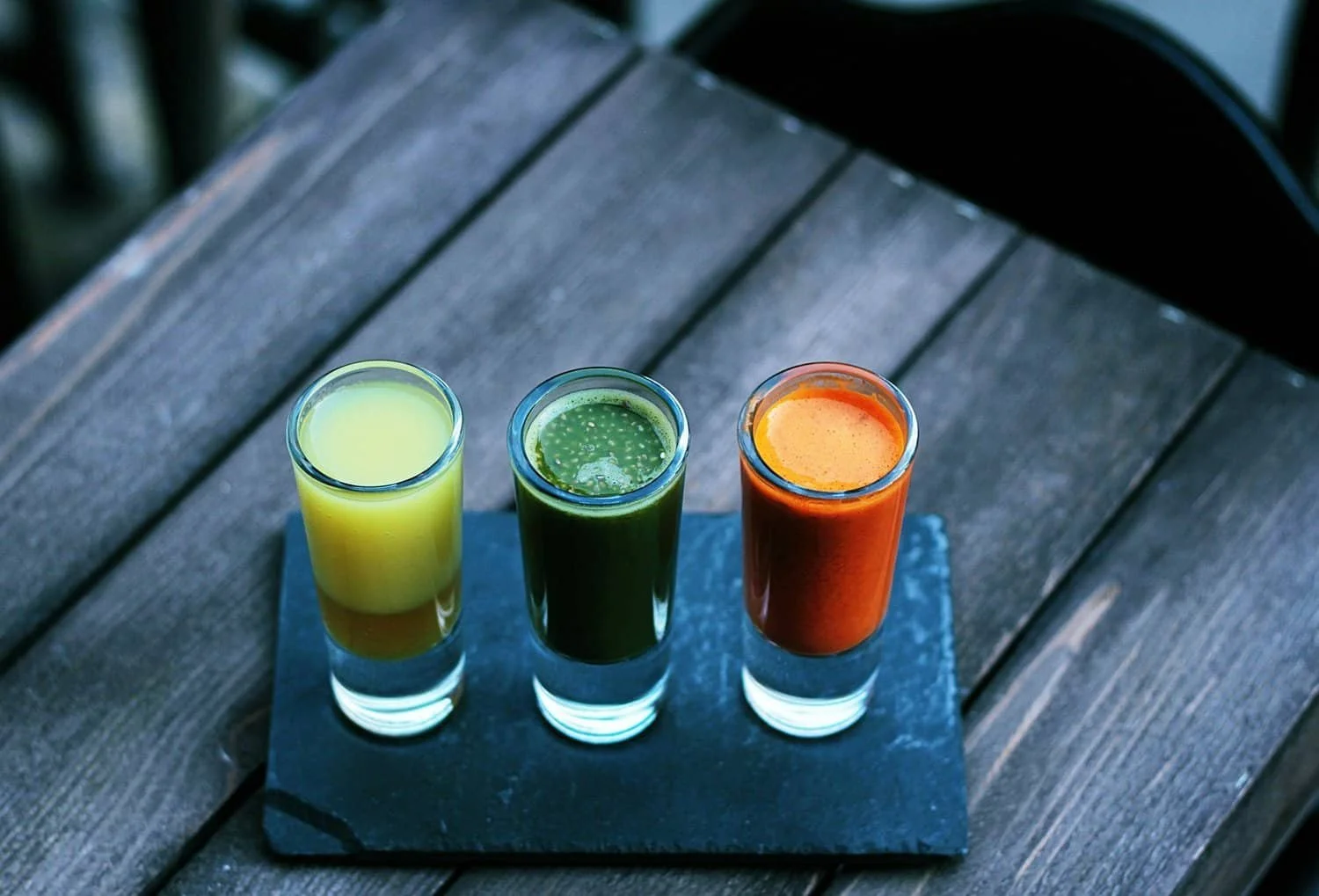
There are various approaches to detoxing, including dietary changes, intermittent fasting, use of herbal supplements, juice cleanses, and hydrating adequately. A common detox practice involves temporarily eliminating processed foods, alcohol, caffeine, and sugar to reduce the toxic load. Increasing the intake of fruits, vegetables, whole grains, and water is often recommended to support the body's natural cleansing processes.
People with chronic health conditions or those who are pregnant should consult a healthcare provider before starting any detox regimen. Detox should not be seen as a substitute for medical treatment or a reason to avoid long-term healthy habits.

How intermittent fasting may support detox processes.
Improved metabolic switching: Fasting shifts the body from glucose to fat-derived fuels (fatty acids and ketones). This metabolic switch can reduce circulating insulin and may improve markers of metabolic health, and help purge the body of negative influencers.
Autophagy: Fasting stimulates cellular processes like autophagy — the cleaning out of damaged cellular components for bodily purification. Autophagy is a cellular repair mechanism often cited as a key “detox-like” benefit of fasting. Evidence mainly comes from animal and cellular studies; human data are growing but less definitive.
Reduced oxidative stress and inflammation: Some studies show that periods of caloric restriction or fasting can lower markers of inflammation and oxidative stress, which indirectly supports the body’s ability to handle metabolic by-products.
Improved liver health: IF can improve markers related to non-alcoholic fatty liver disease in some people, which may be interpreted as supporting the liver’s normal detox functions.
Gut health and microbiome effects: Fasting periods can influence gut motility and microbial composition. For some people, this may reduce bloating and improve digestion, indirectly supporting waste elimination..
Common intermittent fasting approaches.
Time-restricted eating (TRE): Eating within a daily window (e.g., 16:8 — fasting 16 hours, eating over 8 hours). Very good for keto and stayingin ketosis.
Alternate-day fasting: Alternating between fasting or very low-calorie days and normal eating days.
5:2 method: Normal eating five days a week and very low calorie (around 500–600 kcal) for two non-consecutive days.
Periodic prolonged fasting: Fasts longer than 24 hours are sometimes used but carry higher risk and should be supervised.
Reset Your System: Natural Detox & Liver Support
Give your body the fresh start it deserves. At Health, Healthy & Healthier, our liver detox supplement recommendations are formulated to help your body’s natural filtration system work at its best. Daily life can put a lot of strain on your liver, but these targeted liver support formulas help flush out toxins, reduce heavy metal toxicity, and boost your energy levels naturally. Check out our detox collection and start feeling lighter, clearer, and more vibrant today.



Benefits of a Detox:
Enhances digestion and nutrient absorption
Supports liver function and toxin elimination
Boosts energy levels and reduces fatigue
Promotes clearer, healthier skin
Supports weight loss management and reduces bloating
Helps the body adapt better to keto and helps you achieve ketosis quicker.
Improves mental clarity and focus
Strengthens immune system response
Helps reduce inflammation in the body
Encourages healthier eating habits
Supports overall well-being and vitality

Feeling overwhelmed by supplements? Start building your 'health toolkit.' From liver-loving Milk Thistle to vision-boosting Bilberry, here are 7 natural essentials to support your whole-body wellness and mental clarity.