The Gut-Brain Connection: Why Your Digestive Health is the Key to Mental Clarity
This page features affiliate links
![[HERO] The Gut-Brain Connection: Why Your Digestive Health is the Key to Mental Clarity](https://images.squarespace-cdn.com/content/v1/68a273b291136113e94bb305/983f2e67-bead-4d4f-a796-1af92d8ab5c4/1000022472.jpg)
Ever have one of those days where your brain just feels.... foggy? You know the feeling, you're staring at your computer screen, your thoughts are scattered, and you can't seem to focus on anything for more than a few seconds. Most of us blame stress, lack of sleep, or too much screen time. But here's something that might surprise you: the answer to your mental clarity struggles might actually be hiding in your gut.
Yep, your digestive system. That rumbling belly of yours has a whole lot more to do with your brainpower than you might think.
Your Gut Has a Mind of Its Own (Literally)
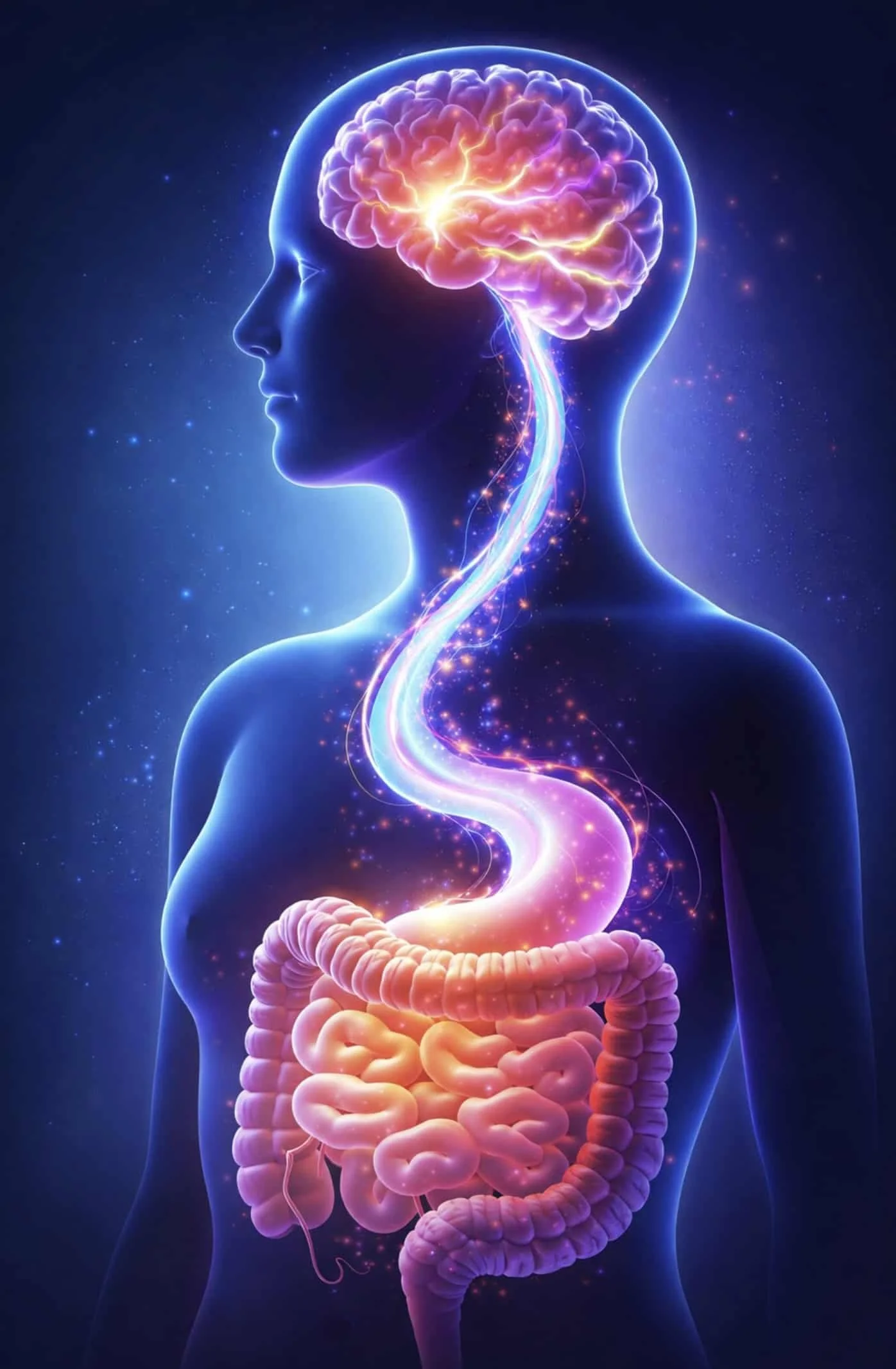
Let's start with something wild: your gut contains over 100 million neurons. That's more than your spinal cord! Scientists often call it your "second brain," and it's not just a cute nickname. This network, called the enteric nervous system, controls digestion and metabolism, but it also sends signals to your brain about hunger, fullness, and yes, even your mood.
This two-way communication highway between your gut and brain is known as the gut-brain axis. Think of it like a constant text conversation happening between your belly and your head. Your gut sends messages up, your brain sends messages down, and together they influence how you think, feel, and function.
The Vagus Nerve: Your Body's Information Superhighway
So how exactly do your gut and brain chat with each other? The star of the show is the vagus nerve, the longest nerve in your body. It runs from your brainstem all the way down to your abdomen, and it's responsible for transmitting sensory information from your gut to your brain.
But here's where it gets really interesting. Your gut microbes, those trillions of tiny bacteria living in your digestive tract, actually produce neurotransmitters. These are the same chemical messengers that influence brain function. We're talking about serotonin, dopamine, and other molecules that affect everything from your mood to your motivation.
In fact, about 90% of your body's serotonin is produced in your gut. Serotonin is that feel-good chemical that influences sleep, memory, and emotional well-being. So when your gut health is off, your serotonin production can take a hit, and your mental clarity goes right along with it.
When Your Gut Struggles, Your Brain Feels It
Here's the thing about the gut-brain connection: it works both ways. When you're stressed or anxious, your digestive system often pays the price (hello, nervous stomach). But the reverse is also true, when your gut is unhappy, your brain struggles too.
Research has shown that disruptions in gut health are linked to:
Brain fog and difficulty concentrating
Increased anxiety and depression
Memory problems
Low motivation and energy
A fascinating 2023 study found that people experiencing long COVID had reduced serotonin levels, which contributed to cognitive issues like brain fog. The kicker? Much of that serotonin was being affected at the gut level, not just in the brain. This tells us that cognitive challenges aren't solely a "brain thing", your gut plays a major role.
The Motivation Connection: Why Your Gut Affects Your Drive
Ever wonder why some days you feel pumped to tackle your to-do list, and other days you can barely get off the couch? Your gut microbiome might have something to do with it.
A 2022 study showed something remarkable: when researchers transplanted gut microbiomes from exercise-motivated mice into sedentary mice, the couch-potato mice suddenly became more active. The reason? Specific fatty acid metabolites in the gut were stimulating nerves that triggered dopamine production in the brain.
Dopamine is your motivation and reward neurotransmitter. It's what makes you feel accomplished when you finish a task or excited about a new project. And apparently, your gut bacteria have a say in how much of it your brain produces.
Pretty wild, right?
Supporting Your Gut for Better Mental Clarity
Okay, so now we know the gut and brain are besties. The question becomes: what can you do to support this connection and boost your mental clarity?
The good news is that there are plenty of natural health solutions that can help. Here are some practical steps:
1. Feed Your Good Bacteria
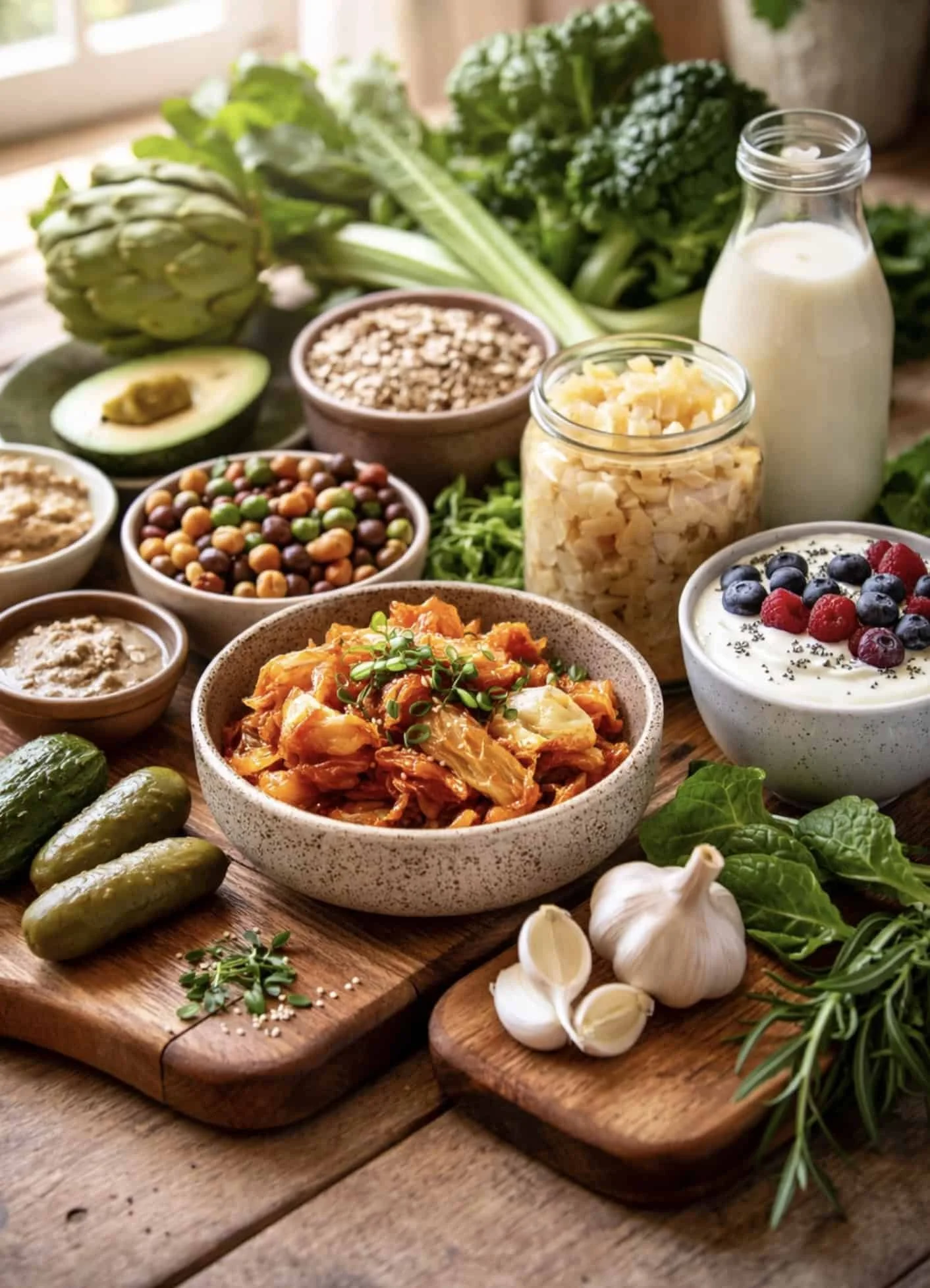
Your gut microbiome thrives on fiber-rich foods like vegetables, fruits, legumes, and whole grains. These foods act as prebiotics: essentially food for your beneficial gut bacteria. When your good bacteria are well-fed, they produce those helpful neurotransmitters we talked about.
2. Add Fermented Foods
Foods like yogurt, kefir, sauerkraut, and kimchi contain probiotics: live beneficial bacteria that can help balance your gut microbiome. A diverse, healthy gut community supports better brain function.
3. Manage Stress
Remember, the gut-brain axis works both ways. Chronic stress can wreak havoc on your digestive system, which then affects your cognitive function. Finding healthy ways to manage stress: whether through meditation, exercise, or working with a coach: can support both your gut and your brain.
If you're looking for guidance on managing stress and building mental resilience, our motivational coaching services can help you develop strategies that work for your life.

4. Consider Supplements for Cognitive Function
Sometimes, even with the best diet and lifestyle habits, we need a little extra support. Supplements for cognitive function can help fill in the gaps and give your gut-brain connection the nutrients it needs to thrive.
At Health, Healthy & Healthier, we offer natural supplements designed to support digestive health and mental clarity. Check out our guide on Supplements for Cognitive Function 101 to learn more about brain-boosting nutrients. Since inflammation plays a huge role in gut-brain health, you might also find our guide on Supplements for Inflammation helpful. And if your gut health is affecting your mood, don’t miss our tips on Natural Supplements for Anxiety.
5. Stay Hydrated and Move Your Body
Water is essential for proper digestion and nutrient absorption. And exercise? It's been shown to positively influence gut microbiome diversity. Even a daily walk can make a difference.
The Bigger Picture: Holistic Health Matters
Here's what I really want you to take away from all this: your body is incredibly interconnected. You can't separate your gut from your brain, your physical health from your mental health, or your diet from your mood. It's all woven together.
> When you support one system in your body, you often support them all.
That's why at Health, Healthy & Healthier, we take a holistic approach. We believe that true wellness comes from addressing the whole person: mind, body, and spirit. Our natural supplements and coaching services are designed to work together, helping you build a foundation for lasting health.
If you've been struggling with brain fog, anxiety, or just feeling mentally "off," it might be worth taking a closer look at your digestive health. Sometimes the path to mental clarity starts with what's happening below the surface.
Taking the Next Step
The gut-brain connection isn't just fascinating science: it's practical knowledge you can use to feel better every single day. By nurturing your digestive health through diet, lifestyle, and the right natural health solutions, you're also nurturing your mind.
You don't have to figure this out alone. Whether you're interested in exploring supplements that support cognitive function or you'd like guidance through our coaching programs, we're here to help you on your journey toward better health.
Check out our blog for more tips on living a balanced, healthy life. And remember: taking care of your gut is taking care of your brain. They're in this together, and so are we. 🌿
This blog post was written by Samuel Friday of Health, Healthy & Healthier & the amazing Penny from Marblism . Try my AI Employee from Marblism it handles everything for me and saves me hours every day.. Tap the link to activate your AI Employee today. LINK (get 10% off for life of your subscription with my link)