7 Best Blood Sugar Supplements to Lower Blood Sugar Naturally in 2026
This page has affiliate links
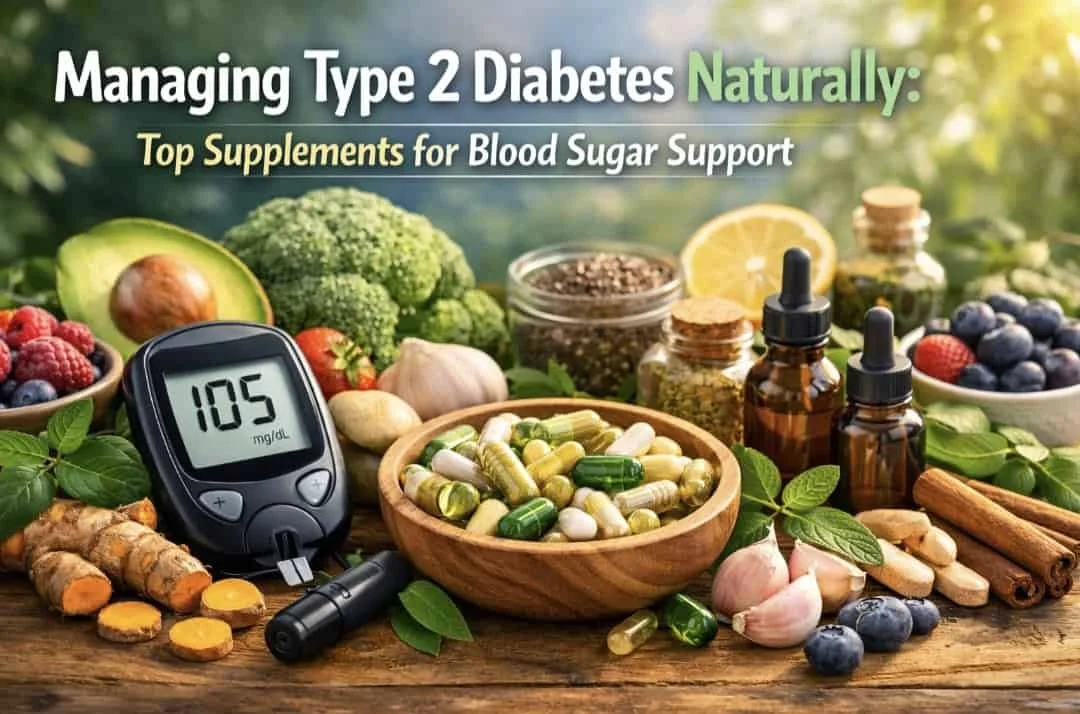
Living with type 2 diabetes can feel like you're constantly walking a tightrope. One moment your blood sugar's cruising along fine, and the next, you're dealing with a spike that throws off your entire day. If you've been searching for natural supplements for type 2 diabetes that might help smooth out those rollercoaster rides, you're in the right place.
Let's be real upfront: supplements aren't magic pills. They won't replace your medication, your doctor's advice, or the lifestyle changes that truly move the needle. But when used strategically alongside proper medical care, certain natural options can provide meaningful support for blood sugar management. Think of them as your backup dancers, they're not the star of the show, but they make the whole performance better.
A Quick Word Before We Dive In (Best Supplements for Diabetes Safety Check)
Before we talk specific supplements, here's the thing you need to know: always loop in your healthcare provider before adding anything new to your routine. Some supplements can interact with diabetes medications or other prescriptions you're taking. Your doc knows your specific situation best, and they can help you navigate what makes sense for your body.
That said? There's some genuinely interesting research around natural diabetes support Canada, especially here in Canada where we're seeing more folks explore complementary approaches to managing their health.

The Inflammation Connection You Need to Know About (And Why It Matters for Blood Sugar Supplements)
Here's something that doesn't get talked about enough: chronic inflammation and type 2 diabetes are deeply connected. In fact, ongoing inflammation can contribute to insulin resistance, the hallmark of type 2 diabetes, while high blood sugar levels can, in turn, trigger more inflammation. It's a frustrating cycle.
This is why our approach at Health, Healthy & Healthier focuses heavily on tackling inflammation from multiple angles. When you're working on blood sugar management, you're often working on inflammation too. (If you want to dive deeper into this topic, check out our Inflammation 101 guide to chronic inflammation, it's eye-opening stuff.)
Best Supplements for Diabetes: Blood Sugar Supplements to Lower Blood Sugar Naturally
Alright, let's get into the good stuff. These are the best supplements for diabetes support that have actual research backing them up for supporting healthy blood sugar levels.
Here’s what you’ll see in this guide (nice and scannable—because you have better things to do):
Berberine
Cinnamon
Chromium
Alpha-Lipoic Acid (ALA)
Magnesium for blood sugar
Dandelion
A couple honorable mentions
If you like zooming out and seeing what the broader research landscape is saying, this MDPI Nutrients article is a solid general evidence roundup.
Berberine: The Research Superstar
If there's one supplement that keeps popping up in diabetes research, it's berberine. This compound, found in several plants, has been studied extensively: we're talking 37+ studies involving over 3,000 people with type 2 diabetes.
What makes berberine interesting? Research shows that taking 500mg two to three times daily can help lower fasting glucose and HbA1c levels. And if you're curious about berberine with cinnamon specifically, a 2025 study looked at their combined efficacy—because apparently the spice rack and the supplement shelf decided to team up.
Berberine works by activating an enzyme called AMPK, which helps regulate your metabolism and how your body uses insulin. It's like flipping a switch that helps your cells become more responsive to the insulin your body produces.
(PURCHASE BERBERINE)
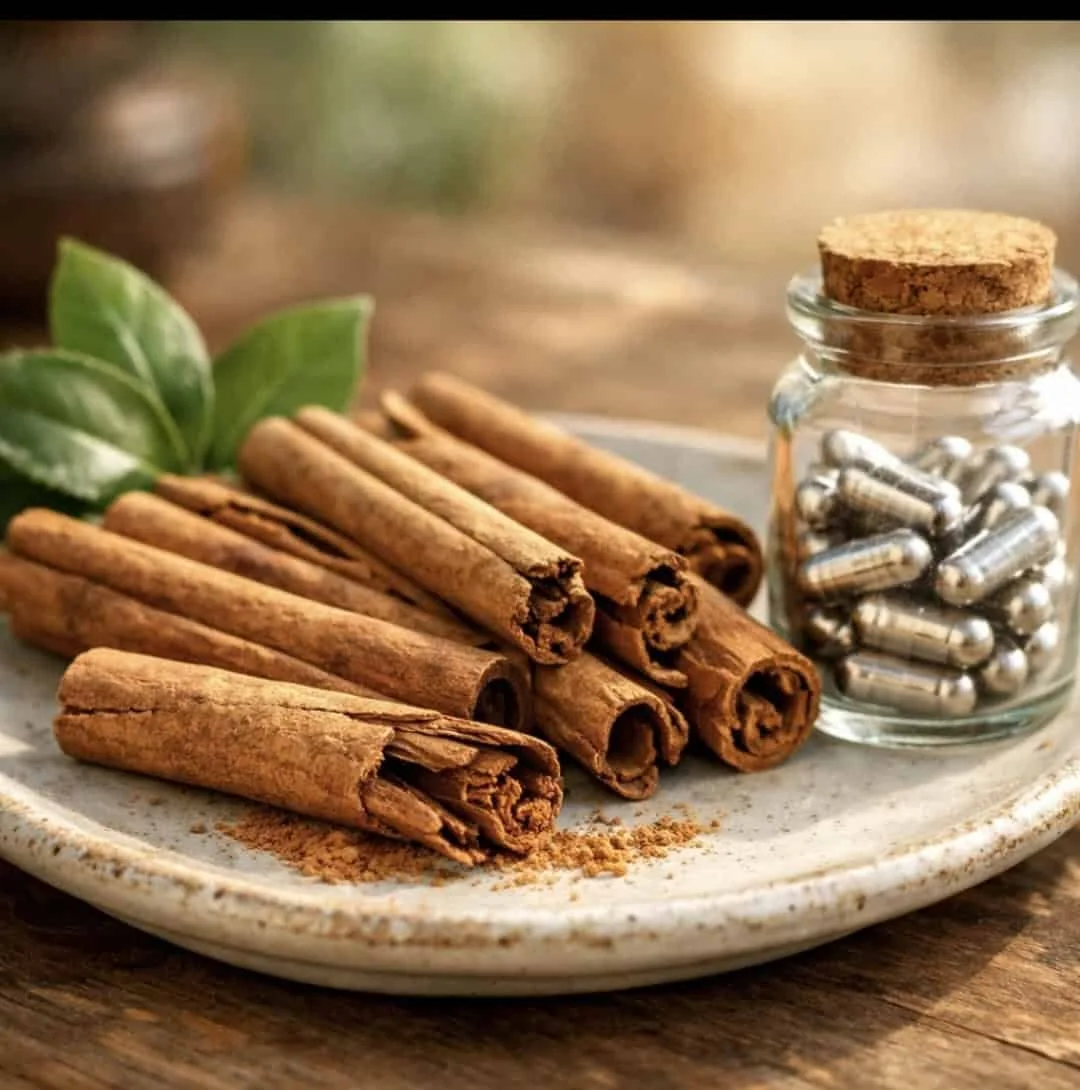
Cinnamon: More Than Just a Flavor
You've probably heard whispers about cinnamon and blood sugar. The research backs up some of those whispers: about half to one teaspoon daily may improve your insulin response and help with post-meal blood sugar control. (And yes, that includes the “wait… my oatmeal is helpful?” moment.)
If you want the science behind the tag-team approach, here’s that same 2025 study on berberine + cinnamon again—worth a skim if you like seeing the receipts.
But here's the catch: not all cinnamon is created equal. Ceylon cinnamon is what you want, not the common Cassia variety that's in most grocery stores. Why? Cassia contains coumarin, a compound that can potentially harm your liver at high doses. Ceylon cinnamon has much lower levels of coumarin and is safer for regular use.
(PURCHASE CINNAMON)
Chromium: The Insulin Sensitizer
Chromium is a trace mineral that plays a crucial role in how your body uses insulin. Many people with type 2 diabetes have lower chromium levels, and supplementing with it (typically 200-1000 mcg daily) may help improve insulin sensitivity. For the research-inclined, there’s a randomized controlled trial looking at chromium and berberine—which is basically your “okay, but show me the study” moment in PDF form.
Think of chromium as helping your body's insulin "unlock" your cells more effectively so glucose can get where it needs to go. It's particularly helpful if you're deficient in this mineral to begin with.
(PURCHASE CHROMIUM)
Alpha-Lipoic Acid (ALA): The Antioxidant Powerhouse
Your body naturally produces alpha-lipoic acid, but supplementing with it (typically 300-600mg daily) may offer additional benefits for insulin sensitivity. ALA is a powerful antioxidant that helps protect your cells from oxidative stress: something that's often elevated in people with diabetes.
Beyond blood sugar support, many people take ALA for its potential benefits for diabetic neuropathy, that uncomfortable tingling or numbness in the hands and feet. NIH-backed summaries have covered this too—here’s the NIH/NCCIH research overview that discusses ALA and diabetic neuropathy. It's a supplement that tackles multiple diabetes-related concerns at once.
(PURCHASE ALPHA LIPOIC ACID)
Magnesium for Blood Sugar: The Overlooked Essential
Here's something many people don't realize: magnesium deficiency is incredibly common in people with type 2 diabetes. And low magnesium can make insulin resistance worse. It's another one of those frustrating cycles.
Supplementing with magnesium (typically 250-400mg daily) may help improve insulin sensitivity and glucose metabolism. If you want a bigger-picture look at the evidence, there’s a systematic review in the Journal of Primary Care that digs into magnesium and metabolic health. Plus, magnesium supports so many other functions in your body: from muscle and nerve function to blood pressure regulation: that it's often worth considering even beyond diabetes management.
(PURCHASE MAGNESIUM}
Dandelion: The “Weed” With a Day Job
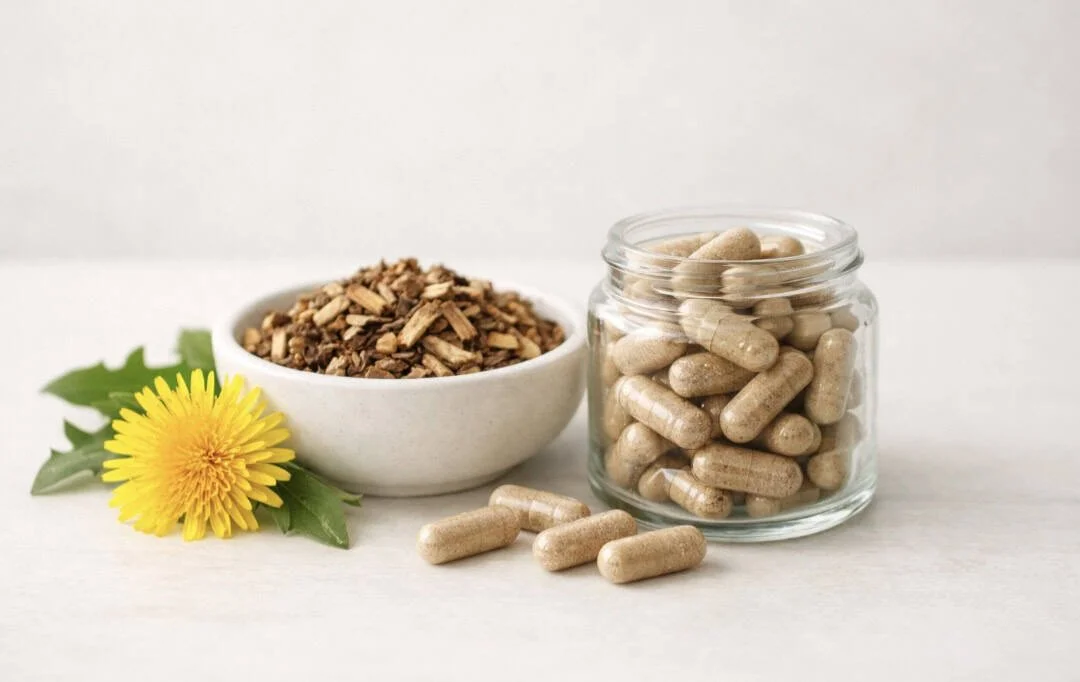
Yes, that dandelion. The one that shows up uninvited on lawns like it pays rent. But as a supplement (often as dandelion root or leaf), it’s got some interesting potential for blood sugar support.
Dandelion contains bioactive compounds like chicoric acid and taraxasterol, which have been studied for anti-diabetic properties. In one clinical trial shared on ResearchGate, participants saw significant reductions in fasting blood glucose—here’s the reference if you want to read it for yourself: clinical trial on dandelion and blood glucose.
It may also help with the bigger picture too: improved insulin sensitivity and a reduction in inflammation. A research overview on PMC discusses dandelion’s potential metabolic and anti-inflammatory effects (the “blood sugar support” and “inflammation support” combo is a nice two-for-one): PMC research on dandelion’s bioactives and metabolic effects.
(PURCHASE DANDELION)
Honorable Mentions Worth Knowing
Gymnema sylvestre is an herb from India that has shown promising results in reducing fasting glucose and HbA1c in research studies. However, it can enhance insulin's effects, so you'll definitely need your doctor's guidance if you use insulin injections. (Purchase)
Fiber supplements like psyllium or konjac (about 13 grams daily) have solid research showing they can help decrease A1C levels. Fiber slows down how quickly glucose enters your bloodstream after meals, which helps prevent those sharp spikes. (Purchase)
But Wait: Supplements Are Just One Piece of the Puzzle
Look, I could write all day about supplements (and sometimes I do). But here's the truth: the most powerful tools for managing type 2 diabetes are the ones you probably already know about: whole food nutrition, regular movement, stress management, and quality sleep.
This is where our low-carb & keto recipes for better blood sugar control come in clutch. Reducing refined carbs and focusing on nutrient-dense foods can have a massive impact on your blood sugar stability. When you combine smart eating with the right blood sugar supplements, that's when things really start to shift.
And let's talk about something that doesn't get enough attention: your mindset. Managing a chronic condition like diabetes isn't just physically demanding: it's mentally and emotionally exhausting. The constant vigilance, the worry about complications, the frustration when your numbers don't cooperate despite doing everything "right."
This is exactly why we offer motivational coaching alongside our supplement recommendations. Building mental resilience and developing strategies to handle setbacks can be just as important as any pill or powder. Your mental game matters.

Finding Quality Supplements in Canada
One quick note for my fellow Canadians: not all supplements are created equal. When you're choosing products for something as important as blood sugar management, quality matters. Look for brands that:
Third-party test their products
Clearly list ingredient amounts
Use bioavailable forms of nutrients
Are transparent about sourcing
We carefully curate products that meet these standards because when it comes to your health, "good enough" isn't good enough.
Your Next Steps
Managing type 2 diabetes naturally isn't about replacing your medical care: it's about enhancing it. It's about giving your body every possible advantage while working closely with your healthcare team.
If you're ready to explore how natural supplements might support your blood sugar management goals, start by:
Talking to your doctor about which supplements make sense for your situation
Starting with one supplement at a time so you can gauge its effects
Tracking your blood sugar carefully as you make changes
Being patient: natural approaches often work more subtly than medications
Ready to take the next step? Browse our carefully selected diabetes support products, or reach out about personalized coaching to create a comprehensive plan that addresses both your physical and mental well-being.
Remember: you're not in this alone. With the right combination of medical care, natural support, lifestyle changes, and mental fortitude, managing type 2 diabetes gets easier. Not easy: but easier. And sometimes, that's enough to make all the difference.

Internal ad
Apply for a neo master card, including their secured Master car that utilizes secured limits(self funded) that helps you rebuild credit, as well as give you access to the benefits of a credit card. Creating a profile on their secured network is required to apply for their cards and many perks. Click here for more information.