Benefits of fenugreek for your health
This page features affiliate links
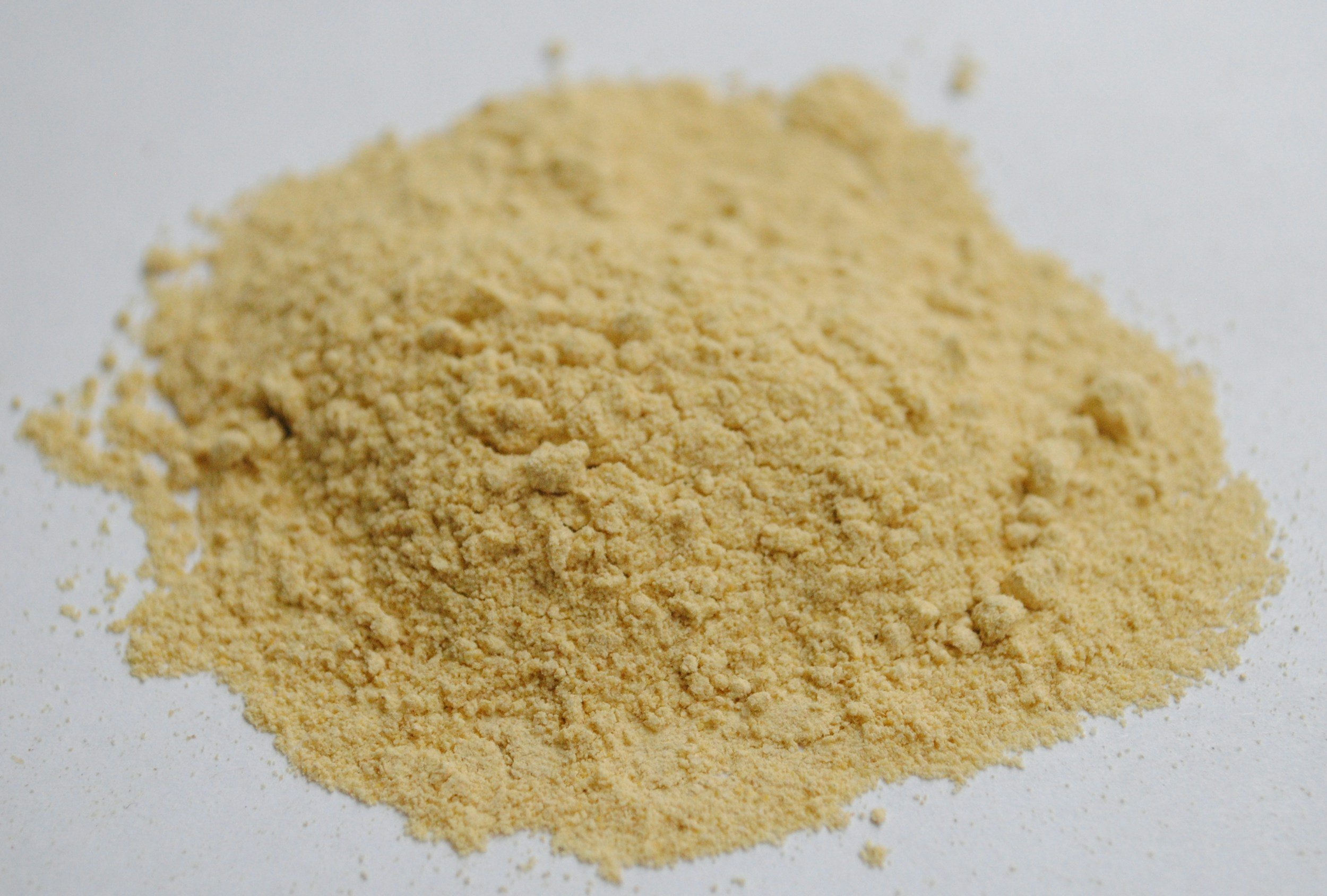
Discover the power of fenugreek, a natural herb and supplement celebrated for centuries for its impressive health benefits. Fenugreek seeds are packed with essential nutrients, including fiber, protein, and antioxidants, making them a fantastic addition to your wellness routine.
Fenugreek supports digestive health by promoting smooth digestion and easing discomfort. It's also renowned for its ability to help regulate blood sugar levels, making it an excellent supplement for overall metabolic wellness. For those focused on heart health, fenugreek contributes to maintaining healthy cholesterol levels.
Athletes and fitness enthusiasts appreciate fenugreek for its potential to boost energy and support muscle recovery. Additionally, this versatile herb and supplement is known to help enhance lactation in nursing mothers naturally.
Easy to integrate into your daily regimen, fenugreek can be taken as a supplement, infused in teas, or incorporated into recipes for a subtle, nutty flavor. Enhance your health journey with fenugreek — a simple, natural solution designed to support and elevate your well-being.
Nutritional Profile of fenugreek
Fenugreek seeds are rich in fiber, protein, vitamins (such as B6), and minerals, including iron, magnesium, and manganese. They also contain bioactive compounds like saponins and flavonoids which contribute to their health effects.
Health Benefits of fenugreek
Blood Sugar Regulation: Fenugreek may help improve blood sugar control in people with diabetes by enhancing insulin sensitivity.
Digestive Health: The high fiber content supports digestion and can help relieve constipation.
Lactation Support: Fenugreek is frequently used to promote milk production in breastfeeding mothers.
Inflammation Reduction: Its antioxidant properties may reduce inflammation through it’s anti-inflammatory nature, and protect against chronic diseases.
Cholesterol Management: There is evidence fenugreek can help lower LDL cholesterol and triglycerides.
How fenugreek affects diabetes
Slows carbohydrate absorption: Fenugreek seeds are rich in soluble fibre and galactomannans, which form a viscous gel in the gut. This slows gastric emptying and the absorption of carbohydrates, producing smaller, more gradual post-meal rises in blood glucose.
Improves insulin secretion: Some phytochemicals in fenugreek (including alkaloids like trigonelline and amino acids such as 4-hydroxyisoleucine) have been shown to stimulate pancreatic beta cells to release insulin, which can help reduce fasting and postprandial glucose.
Enhances insulin sensitivity: Animal and human studies indicate fenugreek may improve peripheral insulin sensitivity, allowing tissues to use glucose more effectively and lowering circulating glucose levels.
Modulates glucose-regulating enzymes: Research suggests fenugreek can influence enzymes that regulate glucose metabolism in the liver and muscle, contributing to improved glycemic control.
Favourably affects lipids: Several trials report reductions in total cholesterol, LDL cholesterol and triglycerides with fenugreek use, which is beneficial because people with diabetes often have an elevated cardiovascular risk.
Active components of fenugreek for diabetes
Soluble fibre (galactomannans): Key for delayed carbohydrate absorption and improved glycaemic response.
4-Hydroxyisoleucine: An amino acid shown to stimulate insulin secretion.
Trigonelline and saponins: May contribute to glucose-lowering and lipid-modifying effects.
Flavonoids and other polyphenols: Offer antioxidant and anti-inflammatory effects that may protect pancreatic beta cells and vascular health.
Safety and precautions of fenugreek for diabetics
Hypoglycemia: When taken with antidiabetic medications (insulin, sulfonylureas, etc.), fenugreek may increase the risk of hypoglycemia. Blood glucose should be monitored and medication doses adjusted with healthcare provider guidance.
Gastrointestinal effects: Common mild side effects include diarrhoea, bloating, gas and abdominal discomfort due to the high fibre content.
Allergies: People with allergies to peanuts, chickpeas or other legumes may have cross-reactivity.
Pregnancy and lactation: Fenugreek is traditionally used to stimulate lactation, but it can also have uterine stimulant effects; avoid therapeutic doses during pregnancy. Nursing mothers should consult a healthcare professional before use.
Drug interactions: Fenugreek may interact with anticoagulants, antiplatelet drugs and certain other medications. Discuss with a pharmacist or prescriber.
Quality and contaminants: Use reputable products to avoid adulteration or contamination. Standardized extracts provide more predictable dosing.
Practical recommendations for fenugreek as a diabetic aid
Discuss with your healthcare team before starting fenugreek, especially if you take diabetes medications or have other medical conditions. Begin with a modest dose and monitor blood glucose, symptoms and any side effects. Adjust dose under medical supervision. Combine fenugreek use with established diabetes management, especially a well balanced diet
Fenugreek for lactation
How fenugreek may help breastfeeding
Galactagogue properties: Fenugreek is classified as a galactagogue — a substance thought to increase breast milk supply. Small clinical trials and many observational reports suggest it can raise milk production in some lactating people within 24–72 hours of starting.
Mechanism: The exact mechanism is unclear. Proposed actions include phytoestrogenic effects, stimulation of sweat ducts (which share embryologic origin with mammary glands) and indirect hormonal influence that may support lactation.
Evidence summary of fenugreek for breast milk production
Clinical trials: Studies vary in size and quality. Several randomized or controlled trials report increased milk volume with fenugreek versus placebo or no treatment, but methods and outcomes are inconsistent.
Real-world use: Many lactation consultants and breastfeeding parents report subjective improvements in supply when fenugreek is used alongside frequent breastfeeding or pumping.
Limitations: Not all people respond. Milk supply depends primarily on effective milk removal (nursing/pumping frequency and technique), maternal health, hydration, sleep and infant factors. Fenugreek should not replace assessment and support from a qualified lactation consultant when supply concerns exist.
Dosage and forms of Fenugreek for increasing breast milk output
Capsules: Common doses range from 1–6 grams of fenugreek seed per day, often split into two or three doses. A frequently used dose in trials is about 3 grams/day.
Tea: Prepared by steeping crushed seeds; potency varies.
Tincture: Concentrated liquid extracts are available; follow manufacturer guidance.
Cooking with seeds: Culinary use provides smaller amounts unlikely to match supplement doses used for lactation.
How to use fenugreek safely
Start with a moderate dose and monitor for effects over 3–7 days. If no improvement after a week, consult a healthcare provider or lactation consultant.
Use alongside non-pharmacologic measures: frequent, effective breastfeeding or pumping, ensuring proper latch, skin-to-skin contact, and addressing any infant factors such as tongue-tie or ineffective suck.
Side effects and precautions of fenugreek
Gastrointestinal: Most common — maple-like odor in sweat, urine or breastmilk, and possible gas, diarrheas, bloating or abdominal discomfort.
Allergies: People allergic to other Fabaceae family members (e.g., peanuts, chickpeas, soy, lentils) may react to fenugreek.
Hypoglycemia: Fenugreek can lower blood sugar; caution in people with diabetes or those on blood-sugar-lowering medications.
Bleeding risk: Possible antiplatelet effects; use cautiously if taking anticoagulants or before surgery.
Pregnancy: Generally advised to avoid during pregnancy in medicinal doses because it may stimulate uterine contractions.
Infant effects: Some infants may have fussiness, diarrheas or develop a maple syrup-like smell; discontinue if adverse effects occur.
Drugs that might interact with fenugreek
Antidiabetic medications — increased risk of hypoglycemia.
Anticoagulants/antiplatelet drugs — potential additive bleeding risk.
Other herbs or supplements with blood-sugar-lowering effects or anticoagulant properties may interact.
When to seek professional help
Seek care immediately if you or your infant develop signs of allergic reaction (hives, facial swelling, difficulty breathing) or if the infant shows signs of dehydration, poor weight gain or persistent vomiting/diarrhea.
Practical tips for fenugreek for improved lactation
Combine fenugreek use with frequent breast emptying — supply increases generally follow demand.
Keep a simple log of doses and milk volumes or diaper counts to track response objectively.
If you notice a pronounced maple-syrup smell in urine, sweat or breastmilk and it is bothersome, reduce dose or stop.
Discuss use with your healthcare provider if you have diabetes, a bleeding disorder, or take prescription medications.
Bottom line of fenugreek for lactation
Fenugreek may increase breast milk supply for some people and is widely used for this purpose. Evidence is mixed and response varies. It is most effective when used together with optimal breastfeeding techniques and support. Use cautiously, watch for side effects, and consult a healthcare provider or lactation consultant for persistent supply concerns or if you have medical conditions or take medications that could interact.
Culinary uses of fenugreek
Fenugreek seeds are used whole or ground in various dishes, especially in Indian, Middle Eastern, and North African cuisines. The leaves (fresh or dried) are also edible and add a unique flavor to soups, stews, and curries.
Potential Side Effects of fenugreek
While generally safe, fenugreek can cause gastrointestinal discomfort, allergic reactions, or interfere with blood sugar-lowering medications. Pregnant women should exercise caution due to potential uterine stimulant effects.
Fenugreek summary
Fenugreek is a versatile herb with multiple health benefits supported by scientific research, particularly for blood sugar and digestion. As with any supplement, consult a healthcare provider before starting use. Click here to see our recommendation for a good Canadian made Fenugreek capsule product, or the main picture above for a list on Amazon of various fenugreek products.

Internal ad
Apply for a neo master card, including their secured Master car that utilizes secured limits(self funded) that helps you rebuild credit, as well as give you access to the benefits of a credit card. Creating a profile on their secured network is required to apply for their cards and many perks. Click here for more information.