What are the benefits of white willow bark?
This page has affiliate links
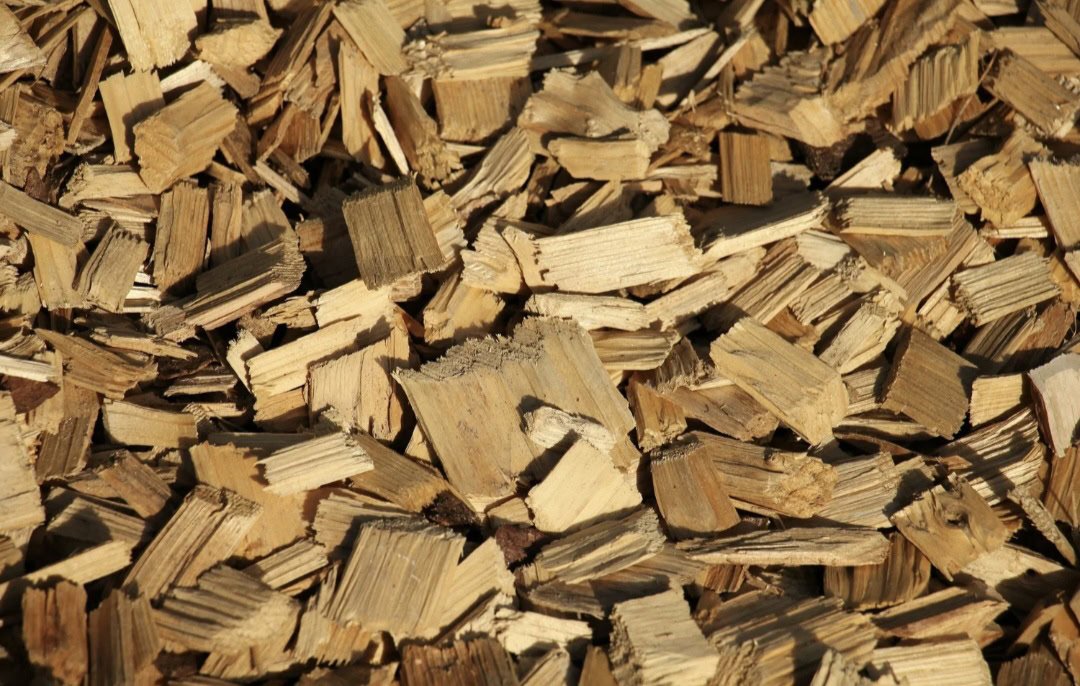
White willow bark(click picture to see white willow bark products off of amazon)
White willow bark (Salix alba) has a long tradition as a natural option for managing chronic pain. Its active compound, salicin, converts to salicylic acid in the body and produces effects similar to low-dose aspirin, helping reduce headaches, inflammation and relieve aches associated with arthritis, back pain and musculoskeletal conditions. Many people report improvements in pain intensity and mobility with standardized white willow extracts, often with fewer gastrointestinal side effects than synthetic NSAIDs. like Ibuprofen (Advil, Motrin), Naproxen (Aleve), Aspirin, ust to name a few.
What white willow bark common use
Pain relief: mild to moderate chronic pain such as headaches, low back pain, osteoarthritis and menstrual cramps.
Anti-inflammatory effects: may reduce joint inflammation and related discomfort.
Fever reduction: traditionally used for lowering fever.
General supportive use: sometimes taken for muscle aches after exercise or minor injuries as a muscle relaxant.
How white willow bark works
Active component: salicin metabolizes to salicylic acid, which has analgesic and anti-inflammatory properties similar to aspirin..
Unlike synthetic aspirin, whole-bark preparations usually created as supplements, also contain tannins, flavonoids and polyphenols that may modify effects and side effects.
Evidence summary of white willow bark
Pain: Several clinical trials and systematic reviews show white willow bark can reduce pain from osteoarthritis and low back pain, though effects are generally modest and variable between studies.
Headache and menstrual pain: Some studies report benefit comparable to low-dose NSAIDs in certain populations, but evidence is not as strong or consistent as for conventional analgesics.
Inflammation: Limited clinical evidence suggests modest anti‑inflammatory effects in musculoskeletal conditions.
Fever: Historical use and anecdotal reports support fever-reducing properties, but high-quality contemporary trials are limited.
White willow barks antimicrobial and antibacterial properties
White willow bark (Salix alba) contains salicin and a mix of phenolic compounds that contribute to modest antimicrobial & antibacterial activity. Extracts have shown inhibitory effects against certain bacteria and fungi in laboratory studies, likely due to disruption of microbial cell membranes and interference with microbial enzymes. While white willow bark is best known for its anti-inflammatory and analgesic properties, its antimicrobial actions may support topical formulations or complementary uses in wound-care preparations. Clinical evidence is limited, so white willow bark should not replace conventional antimicrobial treatments for infections; consult a healthcare professional before using it as an adjunct therapy.
White willow bark antioxidant properties
Studies show white willow bark can contribute to antioxidant benefits. The compounds in white willow bark help neutralize free radicals, support cellular defence against oxidative stress and may complement overall anti-inflammatory activity traditionally associated with willow. Often used in supplements and topical formulations, white willow bark provides a plant-based option for those seeking natural antioxidant support.
Ways to use white willow bark
Tea (infusion): Steep 1–3 g (about ½–1 tsp if powder) of dried bark in 1 cup of just-boiled water for 10–15 minutes, then strain. Drink up to 2–3 times daily for pain or mild fever. Prolonged daily use should be supervised by a healthcare provider.
Tincture: Take the recommended dose under the tongue or diluted in water. Useful when a quick, portable option is needed.
Capsules/tablets: Take as directed for consistent, measured dosing—helpful for chronic pain or inflammation management.
Topical poultice (external only): A cooled, strained decoction can be soaked into a cloth and applied to sore joints or muscles for local relief. Avoid broken skin.
Combination formulas: White willow bark is often combined with other herbs (e.g., turmeric, ginger, boswellia) or nutrients (e.g., magnesium) that support pain and inflammation. Use prepared blends or consult a practitioner to combine safely.
Safety and side effects of white willow bark
Gastrointestinal: may cause stomach upset, nausea or heartburn in some people; less likely than high-dose aspirin but possible.
Allergies: avoid if allergic to salicylates (including aspirin).
Bleeding risk: may increase bleeding tendency, particularly when combined with anticoagulants or antiplatelet drugs.
Reye-like syndrome: should not be used in children or teenagers with viral infections because of the risk of Reye-like syndrome associated with salicylates.
Pregnancy and breastfeeding: not recommended due to insufficient safety data and potential effects on pregnancy and platelet function.
Long-term use: monitor for gastrointestinal issues and bleeding; consult a healthcare provider for chronic use.
Drug interactions and contraindications of white willow bark
Anticoagulants/antiplatelets (blood thinners-warfarin, DOACs, clopidogrel): increased bleeding risk.
NSAIDs and aspirin: additive effects on bleeding and gastrointestinal irritation.
SSRIs/SNRIs: possible increased bleeding risk when combined.
Methotrexate and certain other drugs: potential interaction risk; check with a clinician.
Contraindicated in those with known salicylate allergy, active peptic ulcer disease, or severe kidney disease without medical advice.
When to see a healthcare provider
Severe or worsening pain, signs of infection, unexplained fever, or joint swelling.
If you have chronic conditions (cardiovascular disease, liver or kidney disease) or take prescription medications.
If planning to use white willow bark in pregnancy, breastfeeding, or for children.
If interested in a trying White willow bark today as a natural supplement, may we recommend this brand for you here.